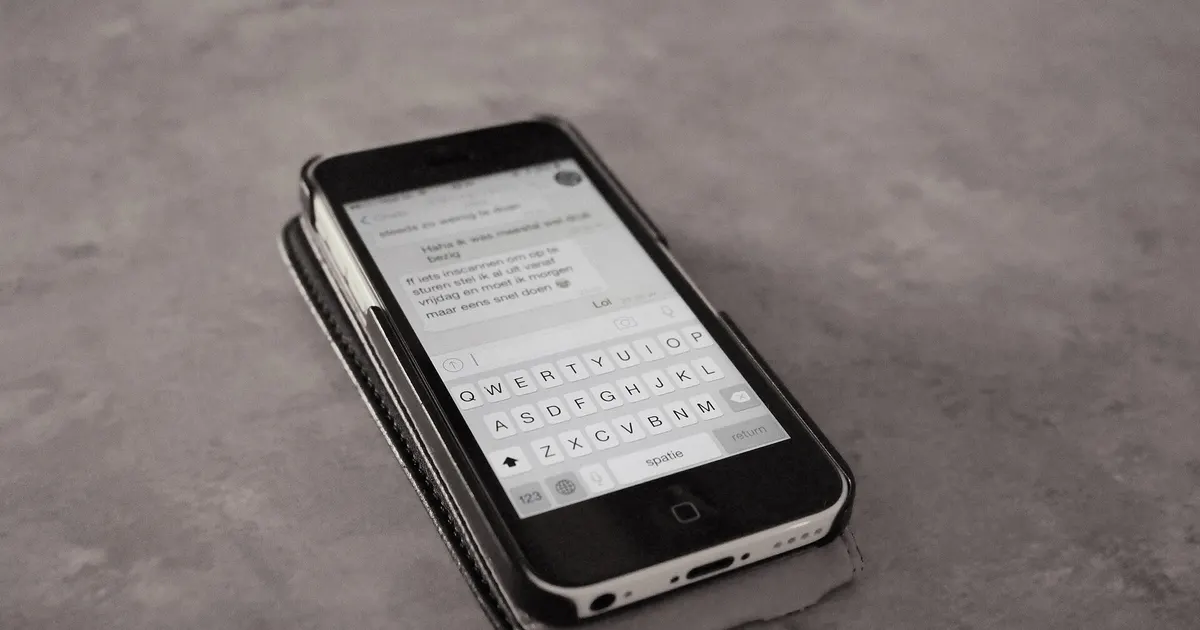
WhatsApp is where Bangladeshi buyers already are, which makes it the highest-response channel for kisti reminders and the easiest one to damage. The platform rules are not decorative: business-initiated messages require approved templates in the right category, and the number's ability to send at all depends on how buyers react to what you send. Handled properly, it removes roughly half of collection follow-up calls.
The three message types you actually need
| Purpose | Category | Sent when |
|---|---|---|
| Upcoming instalment reminder | Utility | 5 days before due date |
| Payment received confirmation | Utility | On receipt entry |
| Overdue notice | Utility | Day 3 and day 10 after due date |
Everything else — festival greetings, new project launches — is marketing, needs a different category and a different consent position, and should never share a template with a payment reminder.
Writing a template that gets approved and read
A good utility template is short, identifies the transaction, and contains no promotional language:
Dear {{1}}, your instalment of BDT {{2}} for {{3}} is due on {{4}}. Reference: {{5}}. Reply here if you need help.
Four rules behind it. Include the specific transaction detail — a reminder that does not name the unit and the amount reads as spam. Keep variables to what you can reliably populate; a template that fails because a field is empty is worse than no template. Avoid words that make the reviewer read it as marketing. And write a Bengali version natively rather than translating, keeping bKash, Nagad and WhatsApp in Latin script, because that is how buyers write them.
Cadence that works without becoming noise
- Five days before due: reminder with the amount and reference.
- On the due date: payment channels and a link if you have one.
- Day three: short, neutral reminder.
- Day ten: the reminder stops and a human calls.
The escalation is deliberate. Automated messages are cheap and buyers tolerate two or three; the fourth teaches them to mute you. After day ten, the conversation needs a person — see the overdue recovery playbook.
Consent, opt-out and number quality
Buyers have given you their number for a transaction, which supports utility messaging about that transaction. It does not support marketing broadcasts, and treating the two as the same is how a number's quality rating falls. Three practices protect the channel:
- Honour opt-outs immediately, and record them against the buyer so no future campaign re-includes them.
- Keep marketing sends separate, with their own consent record.
- Watch quality signals — block rates, report rates and delivery failures — and treat a decline as a message-content problem rather than a platform problem.
The integration that makes it work
For reminders to fire automatically, three things must be connected: the kisti schedule that knows what is due, the buyer record that holds a verified phone number, and the messaging integration. If any one is separate, someone ends up exporting a list and sending manually, which is where personalisation errors and duplicate sends come from. The five integrations you need on day one covers the rest.
Delivery status should be written back to the buyer record. A reminder that failed to deliver is not a reminder, and knowing that before the due date is the whole point.
Measuring whether it works
Two numbers, monthly: the share of instalments paid on or before the due date, before and after the reminders started; and the number of collection calls made. A working reminder programme moves both — payments earlier, calls fewer. If neither moves, the message content or the timing is wrong, not the channel.
What to do next
Take last month's overdue list and check how many buyers received a reminder before the due date. If the answer is "the ones someone remembered", automating that single message is the cheapest collection improvement available — see reminders firing from the kisti schedule.